




Can Contact Lenses Cause Dry Eye?
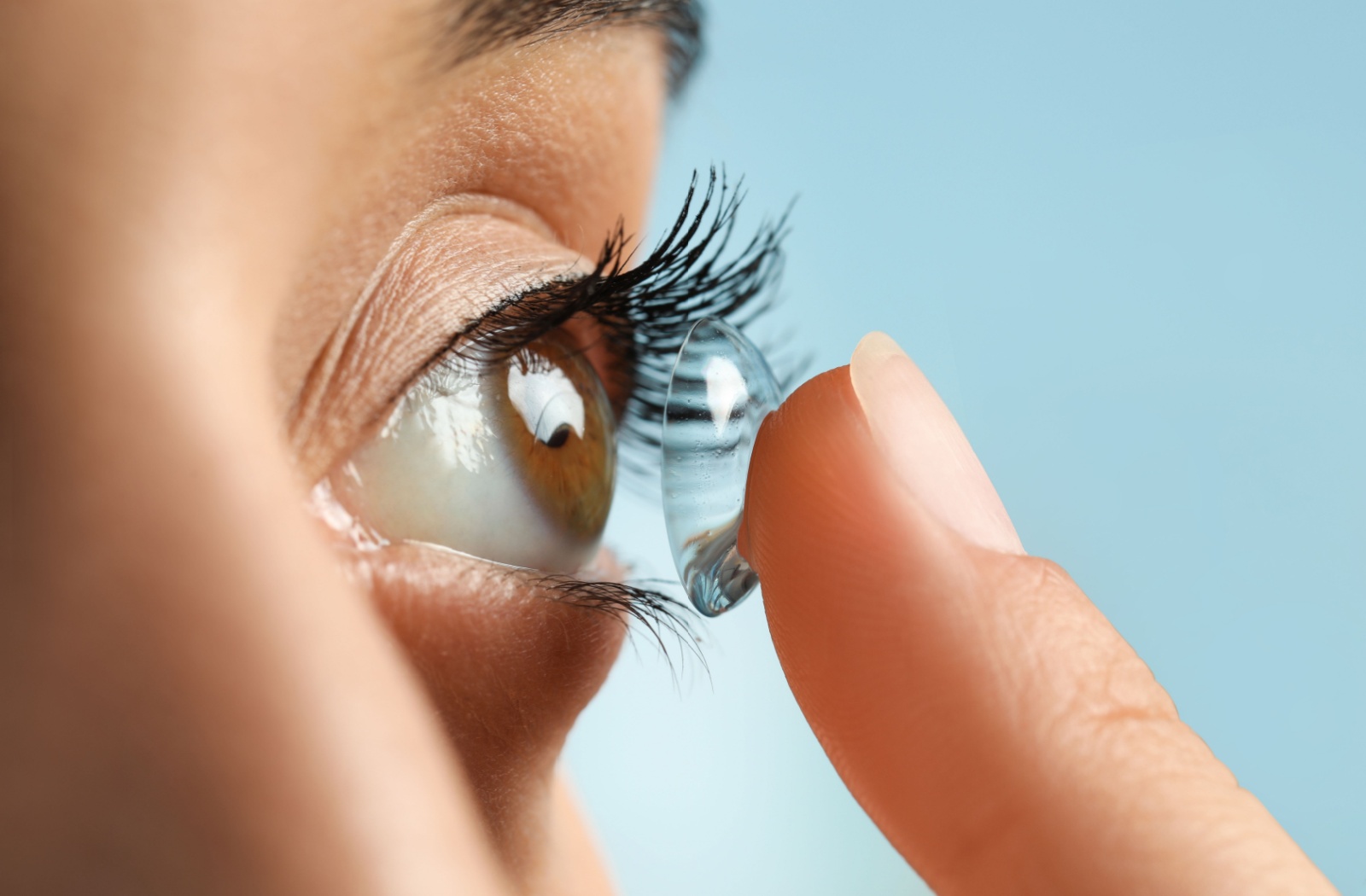
If you wear contact lenses and notice your eyes feeling scratchy, burning, or uncomfortable, you're not alone. Many contact lens wearers experience these frustrating symptoms at some point. At ProVision, we frequently help patients who struggle with this issue, which is we want them to understand the connection between their contact lenses and dry eye symptoms.
Contact lenses can cause dry eye symptoms by disrupting your natural tear film and reducing the moisture available to your eye surface. The good news is that you can take steps to prevent this problem and find relief when it happens.
How Contact Lenses Affect Your Eyes
Your contact lenses sit directly on the thin layer of tears that covers your eyes. This placement can interfere with how your tears spread across your eye surface and how well they protect your cornea.
When you wear contacts, the material of the lens can absorb some of your natural tears. This means that your eyes might not get the steady flow of fresh, oxygen-rich tears they need to stay comfortable and healthy.
Understanding the different contact lens types can help you make better choices for your eye health.
Signs Your Contacts Are Causing Dry Eyes
You might notice that your symptoms start a few hours after putting in your contacts, or perhaps they develop gradually over time. Pay attention to how your eyes feel throughout the day when you're wearing your lenses.
Some people notice that their symptoms get worse in certain environments or during specific activities, like computer work. These patterns can help you identify when your contacts are causing the problem.
Common Dry Eye Symptoms to Watch For
Burning or stinging sensation
Feeling like something is stuck in your eye
Blurry vision that comes & goes
Eyes feel tired after wearing contacts
Difficulty wearing contacts for your usual amount of time
Why Some Contact Wearers Get Dry Eyes
Not everyone who wears contacts develops dry eye symptoms. Your risk depends on several factors, including the type of lenses you use and your daily environment.
Some people naturally produce fewer tears or have tears that evaporate more quickly. If you fall into this category, you're more likely to experience discomfort. Various other factors like age increase dry eye risk through changes to your natural tear production.
Your Contact Lens Type Matters
Different contact lens materials hold moisture differently. Some newer materials are designed to stay hydrated longer and allow more oxygen to reach your eyes.
The age of your contacts also plays a role. Older lenses can accumulate protein deposits that make them less comfortable and more likely to cause dryness. Proper contact lens care is essential for maintaining eye health and comfort.
Environmental Factors
Air conditioning & heating systems
Screen time & reduced blinking
Windy or dry weather conditions
Allergens in your environment
How to Prevent Dry Eyes While Wearing Contacts
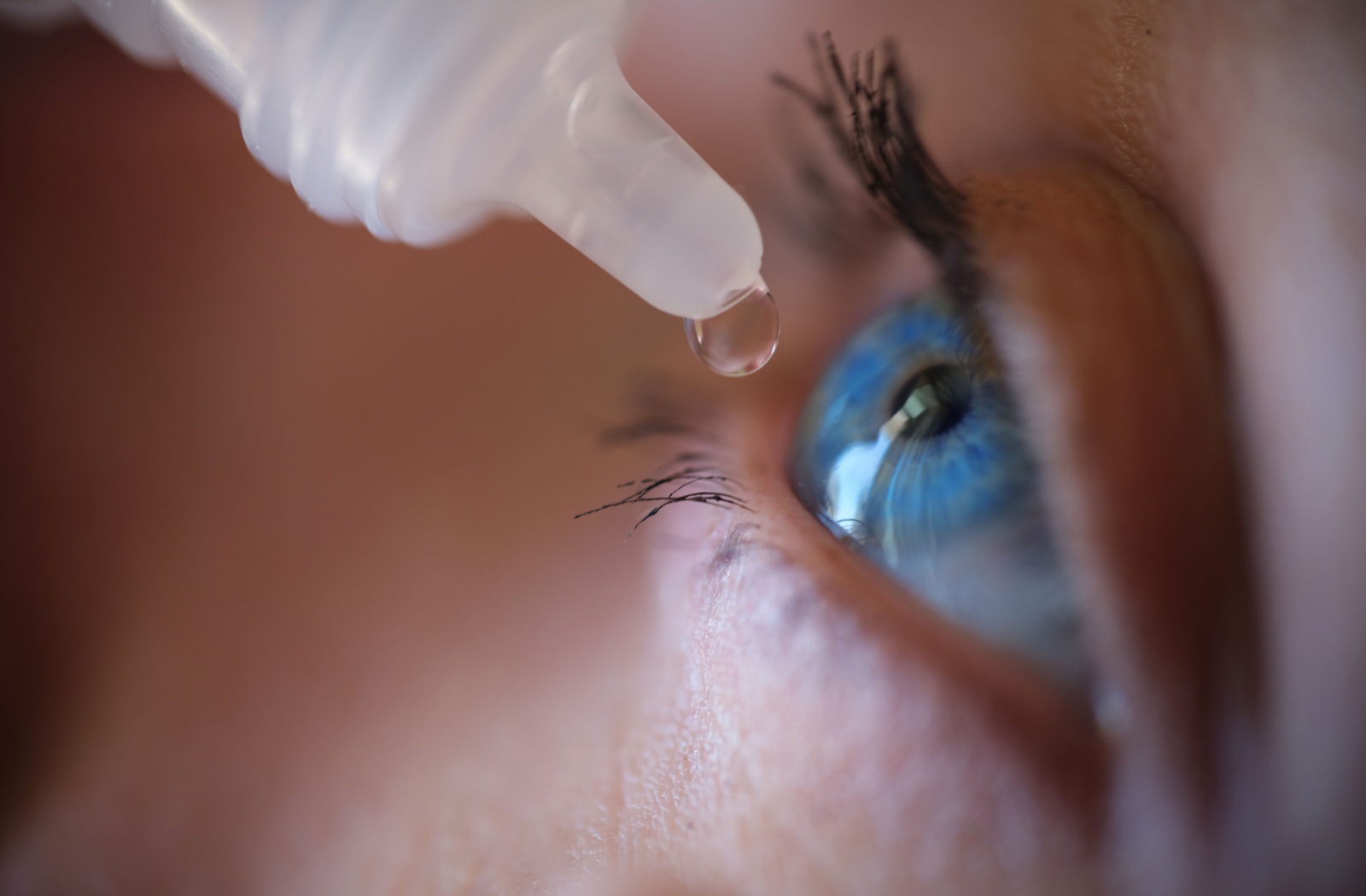
Simple changes to your daily routine can help keep your eyes comfortable while you wear contacts. Most of these strategies focus on maintaining good eye moisture and giving your eyes regular breaks.
The key is consistency—these habits work better when you make them part of your regular routine rather than waiting until your eyes already feel uncomfortable. Following the 20-20-20 rule can also significantly reduce digital eye strain while wearing contacts.
Daily Habits That Help
Take breaks from your contacts throughout the day
Use preservative-free eye drops made for contact wearers
Keep your contacts clean & replace them on schedule
Blink more often, especially when looking at screens
When to Remove Your Contacts
Give your eyes a break by switching to glasses during long computer sessions or when you're in very dry environments. Your eyes can recover more quickly when they don't have to work around the contact lens barrier.
Consider removing your contacts earlier in the evening to give your eyes several hours to rest before bedtime. This extra time without lenses can help prevent symptoms from building up over multiple days. Warm compresses can provide additional relief by helping to unclog oil glands.
Treatment Options for Dry Eye with Contact Lenses
If home remedies aren't providing enough relief, your eye doctor has several professional treatment options available. These treatments target the underlying causes of dry eye rather than just managing symptoms.
Many people find that a combination of treatments works better than relying on just one approach. Your eye doctor can help you create a personalized plan based on your specific situation. Some patients benefit from specialty contact lenses designed specifically for dry eye sufferers.
Professional Solutions
Prescription eye drops designed for dry eyes
Different contact lens materials or brands
Adjusting your wearing schedule
Specialty contacts for dry eye sufferers
When to See an Optometrist Los Angeles
You don't have to live with constant eye discomfort. If your symptoms persist despite trying home remedies, it's time to schedule an appointment with your eye care professional.
Early treatment can prevent your symptoms from getting worse and help you continue enjoying the convenience of contact lenses. As your optometrist in Los Angeles, we can also rule out other eye conditions that might be contributing to your discomfort.
Don't Wait If You Experience
Persistent discomfort even after removing contacts
Eye redness that doesn't go away
Changes in your vision
Inability to wear contacts for normal periods
What Your Eye Doctor Visit Can Include
Your eye doctor can measure your tear production and examine your eye surface to identify the specific cause of your dry eye symptoms. This information helps them recommend the most effective treatment options for your situation.
Our team at ProVision understands how important comfortable vision is to your daily life. If you're experiencing dry eye symptoms with your contact lenses, schedule an appointment to explore your treatment options and get back to comfortable, clear vision.



© 2026 ProVision. All rights Reserved. Accessibility Statement - Privacy Policy
Powered by:
