




How Often Should You Get an Eye Exam?
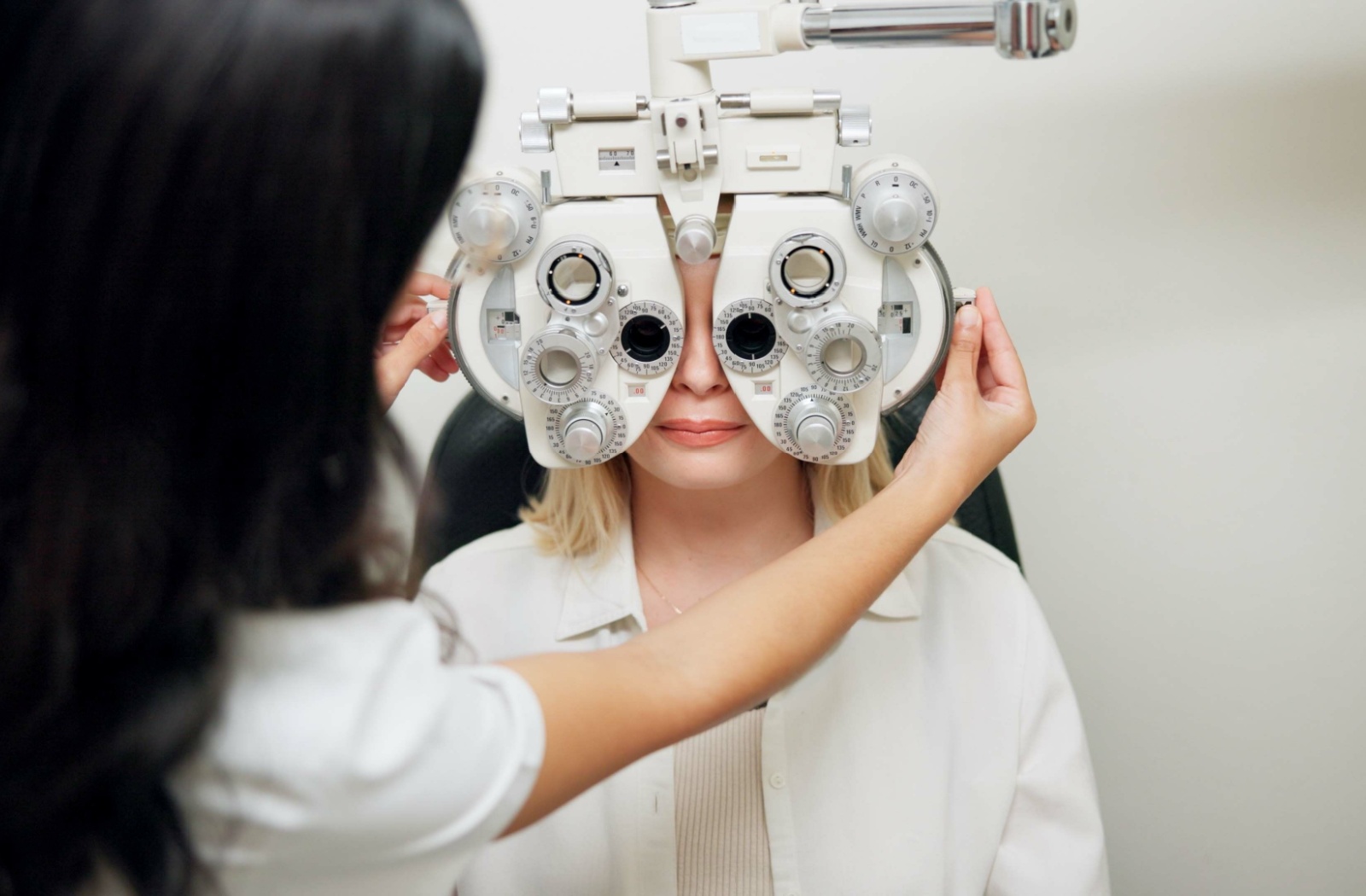
Your family's eye health depends on regular checkups, but you might wonder how often you actually need to see your optometrist for a comprehensive eye exam. At ProVision, we understand how hard it is to juggle schedules and take care of everyone’s healthcare needs.
Most adults need eye exams every 1-2 years, while children and seniors require annual visits. However, eye care needs may vary based on age, health conditions, and other risk factors.
Why Regular Eye Exams Matter for Your Family
Eye exams do much more than update your glasses prescription. They also help catch potential problems even before you notice symptoms, thereby protecting your vision for years to come. Comprehensive eye exams can detect over 270 health conditions beyond just vision problems.
Benefits of regular eye exams include:
Catching vision changes before you notice them
Spotting eye diseases like glaucoma and cataracts early
Detecting other health conditions like diabetes and high blood pressure
Keeping your prescription up to date
How Often You Need Eye Exams by Age
Your eye exam schedule depends on your age and changing vision needs. Understanding what’s involved can help you prepare for these important visits.
Children & Teens (Up to Age 18)
Your child's vision develops rapidly in the early years, making regular checkups important for healthy development. As your eye doctor, we can catch problems that might affect learning and daily activities.
Infant vision development follows specific milestones that require professional monitoring. A normal eye exam schedule involves:
First exam between 6-12 months
Second exam between ages 3-5, before school
Yearly exams once they start school
Adults (Ages 19-64)
Adults should schedule an eye exam once every 1–2 years if they don't have existing vision problems or risk factors. This gives your eye doctor enough time to monitor any gradual changes.
Seniors (Age 65 & Older)
Annual visits become more important as your risk for serious eye conditions increases. Regular monitoring helps preserve your independence and quality of life. Age-related macular degeneration becomes a significant concern during these years.
Special Cases That Need More Frequent Exams
Some situations require closer monitoring than the standard schedule. Your eye doctor can recommend the right timing based on your individual needs.
If You Wear Glasses or Contacts
Your prescription can change gradually, affecting your comfort and vision clarity. Annual visits help keep your correction current and ensure your contacts fit properly. Understanding different contact lens types helps you make informed choices about your vision correction options.
Higher Risk Factors
Depending on your health and family history, you may be at an increased risk for eye problems. More frequent monitoring helps us catch issues before they affect your daily life.
Risk factors for vision include:
Diabetes or high blood pressure
Family history of eye disease
Previous eye injury or surgery
Certain medications with vision side effects
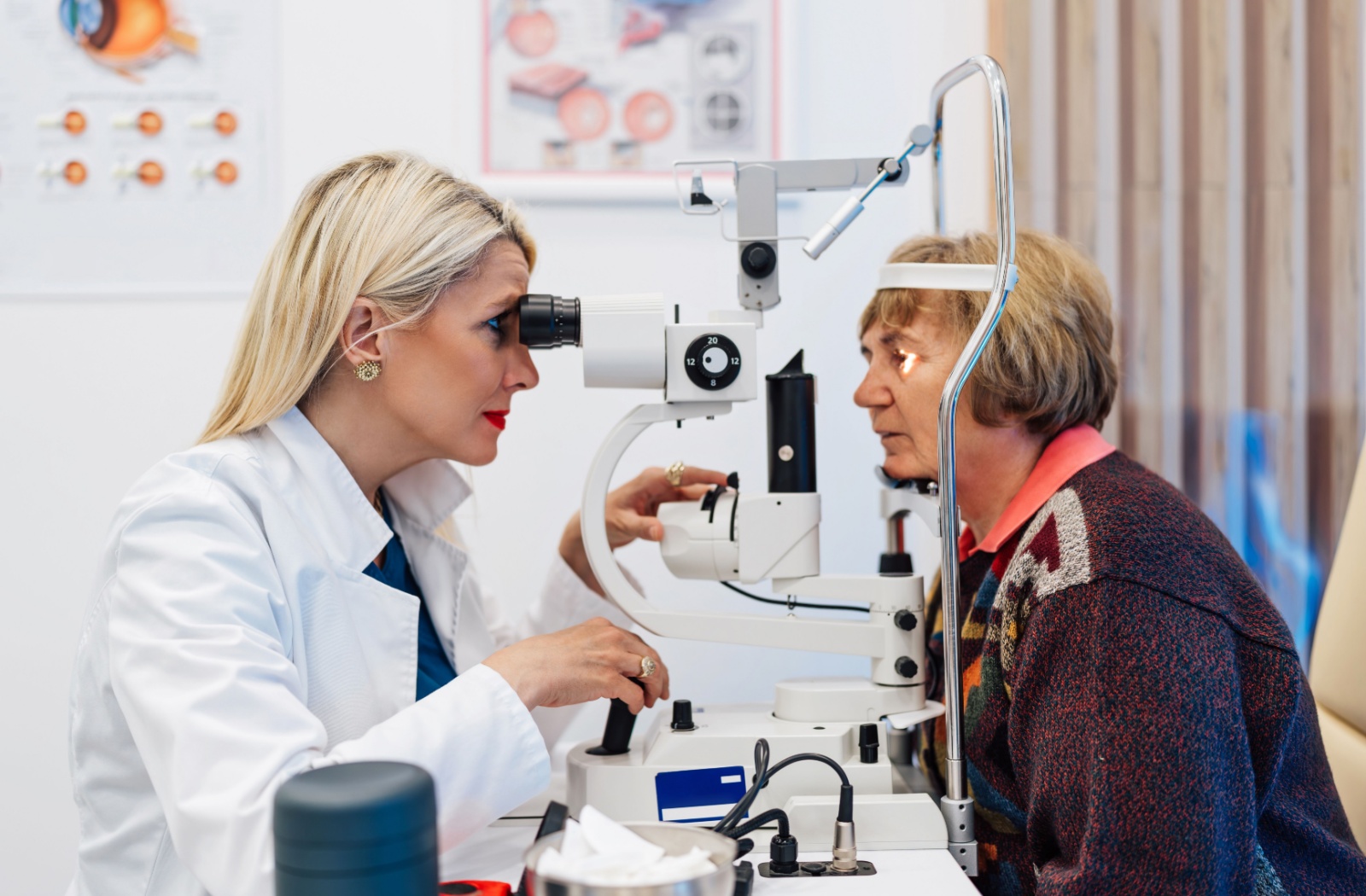
When to Schedule an Eye Exam Right Away
Eye emergencies require immediate professional attention to prevent permanent damage.
If you experience the following, you should pay a visit to your eye doctor:
Eye pain or persistent redness
Sudden vision changes
Flashes of light or new floaters
Halos around lights
Trouble seeing at night or reading up close
What to Expect During Your Eye Exam
A comprehensive eye exam covers multiple aspects of your vision and eye health. This process is comfortable and helps us get a complete picture of your needs.
Common parts of an eye exam include:
Vision testing with eye charts
Eye pressure measurement
Pupil dilation to examine internal eye structures
Discussion of your health history and medications
Modern diagnostic tools like optical coherence tomography
Most exams take about an hour and provide valuable information about your overall health.
Protect Your Future Vision
At ProVision, we help keep your family on track with personalized care that fits your schedule and needs. Contact our team today to schedule your family's next eye exam and protect their vision for years to come.



© 2026 ProVision. All rights Reserved. Accessibility Statement - Privacy Policy
Powered by:
