




ProVision - What Causes a Lazy Eye in Adults?
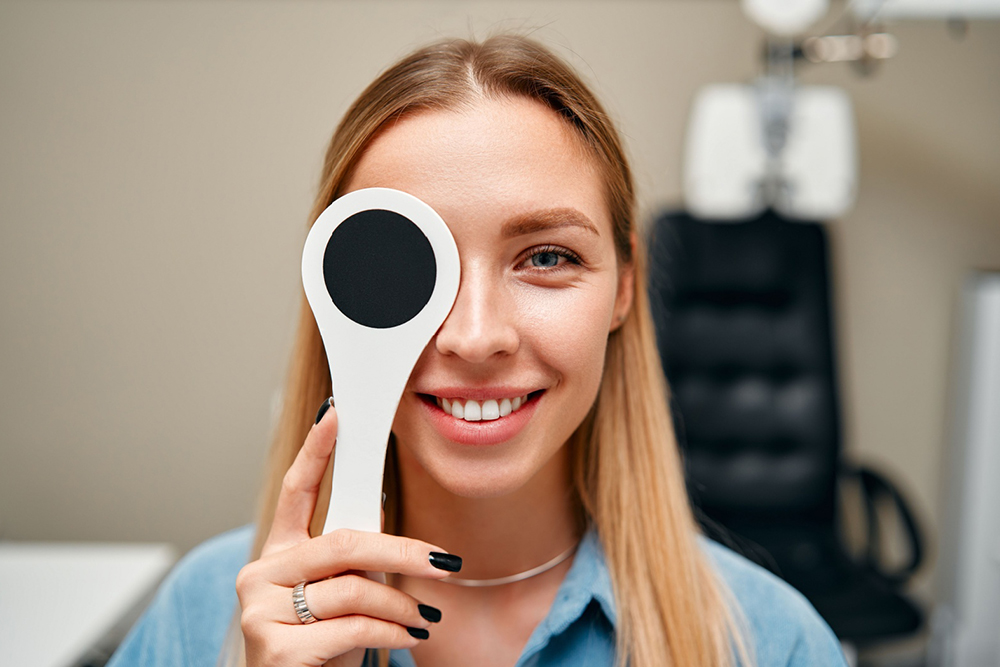
Many people think lazy eye only affects children, but adults can develop this condition too. At ProVision in California, we help families understand that adult lazy eye can happen suddenly and often needs prompt attention.
Adult lazy eye typically develops when medical conditions disrupt normal eye coordination. Diabetes can damage retinal blood vessels, while high blood pressure affects delicate eye vessels. Stroke or brain injuries can impact the neural pathways that control eye movement.
Eye injuries from accidents or sports can damage muscles that control eye positioning. Head injuries and concussions can also disrupt connections between your brain and eye muscles, making teamwork between your eyes difficult.
Sudden vision changes, like cataracts developing faster in one eye or unequal prescription changes, can trigger lazy eye. When one eye becomes much weaker than the other, your brain adapts by favoring the stronger eye.
Watch for warning signs like double vision, eye strain, difficulty judging distances, or covering one eye to see better. Treatment options include vision therapy exercises, special corrective lenses with prisms, and addressing underlying medical causes.
Our experienced team at ProVision can evaluate your symptoms and create a personalized treatment plan. To learn more, read our full blog on the topic!
What Causes a Lazy Eye in Adults?
Many people think lazy eye only affects children, but adults can develop this condition too. When one eye stops working properly with the other, your brain may start to ignore signals from the weaker eye. At ProVision, we understand that amblyopia (lazy eye) can be concerning when it develops unexpectedly in adulthood.
Adult lazy eye typically develops from medical conditions, eye injuries, or sudden vision changes that disrupt the normal coordination between your eyes. Unlike childhood lazy eye, adult cases often happen quickly and need prompt attention from your eye doctor.
How Lazy Eye Develops in Adulthood
Your brain relies on both eyes working together to create clear vision. When something disrupts this teamwork, your brain can start favoring one eye over the other. This process happens differently in adults than in children because your visual system is already fully developed.
Adult lazy eye often occurs suddenly rather than gradually. Your brain makes this switch to avoid confusing double vision or blurry images. While this helps reduce immediate discomfort, it can lead to long-term vision problems if left untreated. Understanding strabismus (crossed eyes) can help explain how eye coordination issues develop.
Medical Conditions That Can Trigger Lazy Eye
Diabetes and Blood Sugar Changes
High blood sugar levels can damage the tiny blood vessels in your retina. This damage affects how well your eye muscles work together. When diabetic retinopathy develops in one eye more than the other, it can create an imbalance that may lead to lazy eye. Diabetes affects eye health in multiple ways that require careful monitoring.
High Blood Pressure Effects
Your eyes contain delicate blood vessels that high blood pressure can damage. When these vessels become blocked or leak, vision in that eye becomes unclear. Your brain may then start relying more heavily on your stronger eye.
Stroke and Brain Injuries
The part of your brain that controls eye movement can be affected by stroke or injury. When these neural pathways get damaged, your eyes may not move together properly. This disruption forces your brain to suppress input from one eye to prevent double vision.
Thyroid Disorders
Thyroid problems can cause swelling around your eye muscles, making them stiff or weak. When these muscles can't move your eye normally, coordination between your eyes breaks down. Your brain typically adapts by relying more on the eye that moves better.
Eye Injuries and Physical Trauma
Direct Eye Injuries
Trauma to your eye can damage muscles that control eye movement. Sports injuries, accidents, or falls can cause this type of damage. When injured muscles can't position your eye correctly, your brain starts ignoring signals from that eye.
Head Injuries and Concussions
Brain injuries from car accidents or falls can affect areas that control vision. Even mild concussions can disrupt the connections between your brain and eye muscles. This disruption makes it hard for your eyes to work as a team. Preventing eye injuries at home can reduce your risk of trauma-related vision problems.
Vision Changes and Refractive Errors
Sudden Vision Loss in One Eye
When one eye suddenly becomes much weaker than the other, your brain adapts by using the stronger eye. Conditions like retinal detachment or severe infections can cause rapid vision loss. The dramatic difference between your eyes triggers your brain to develop lazy eye as a coping mechanism.
Cataracts and Age-Related Changes
Cataracts cloud your lens and make vision blurry in the affected eye. When cataracts develop faster in one eye, it creates unequal vision between your eyes. Your brain may start favoring the clearer eye and can eventually suppress the cloudier one.
Unequal Prescription Changes
Sometimes one eye's prescription changes much faster than the other. This creates a significant difference in how clearly each eye sees. Without proper correction, your brain may start ignoring the eye with poorer vision.
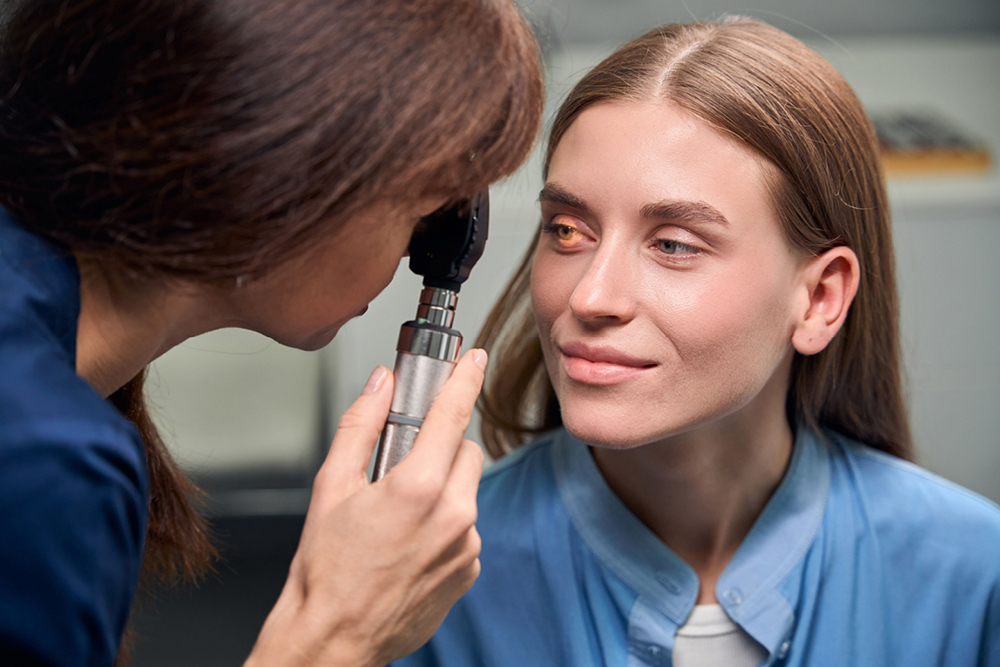
Warning Signs You Shouldn't Ignore
Double vision that comes and goes
Eye strain or headaches
Difficulty judging distances
One eye turning inward or outward
Covering one eye to see better
Sudden changes in depth perception
Treatment Options for Adult Lazy Eye
Vision Therapy Exercises
Special eye exercises can help retrain your brain to use both eyes together. Vision therapy activities strengthen the connection between your weaker eye and your brain. Your optometrist can design a program specific to your needs.
Corrective Lenses and Prisms
Special glasses with prisms can help align images from both eyes. These lenses redirect light to help your eyes work together better. Your eye doctor may also prescribe different lens powers for each eye to balance your vision.
Medical Treatment for Underlying Causes
Treating the root cause often helps improve lazy eye symptoms. Managing diabetes, controlling blood pressure, or addressing thyroid problems can prevent further vision loss. Your eye doctor may work with other medical specialists to coordinate your care.
When to See Your Optometrist
Contact your eye doctor right away if you notice any sudden changes in your vision or eye alignment. Early treatment gives you a higher chance of recovering normal eye coordination. Regular eye exams can also catch developing problems before they become serious, helping protect your vision for years to come.
At ProVision, our experienced team can evaluate your symptoms and create a personalized treatment plan for your lazy eye. Schedule your comprehensive eye exam today to take the first step toward better vision health.



© 2026 ProVision. All rights Reserved. Accessibility Statement - Privacy Policy
Powered by:
