




The Hidden Problems Only a Comprehensive Eye Exam Can Catch
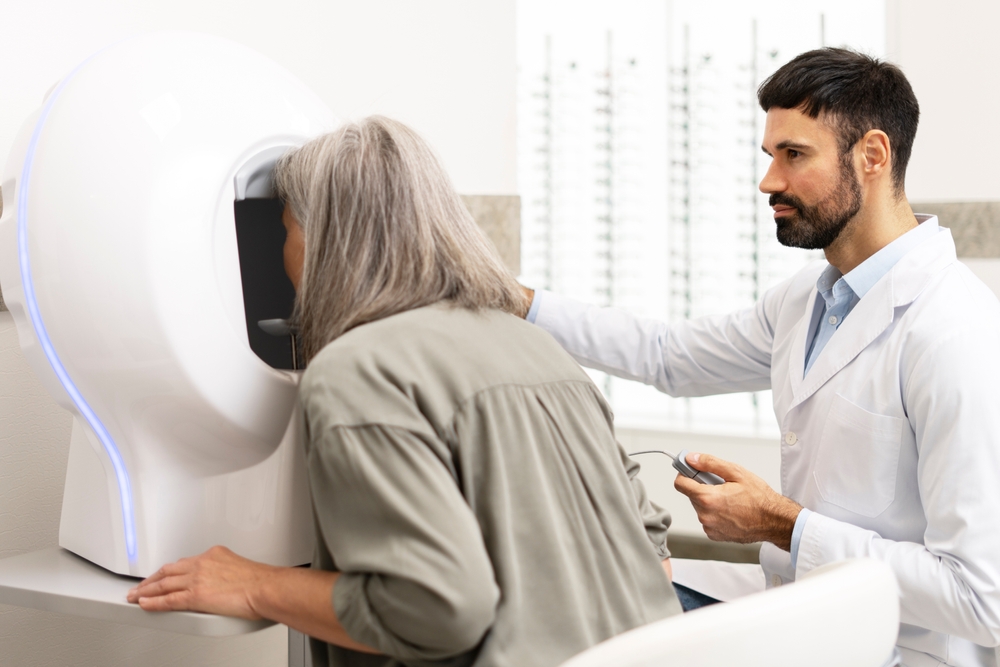
Many people assume that if they can see clearly, their eyes must be healthy. However, vision and eye health are not the same thing. A comprehensive eye exam goes far beyond checking your glasses or contact lens prescription. At ProVision, comprehensive eye exams are designed to protect both your vision and your long-term eye health by identifying conditions that often go unnoticed without advanced diagnostic testing.
Why Eye Problems Often Go Undetected
Many serious eye conditions develop silently. In the early stages, they may not cause pain, redness, or noticeable changes in vision. Because of this, patients often delay care until irreversible damage has already occurred. A comprehensive eye exam is the only way to detect these issues early, when treatment is most effective.
The Role of Optical Coherence Tomography (OCT)
One of the most important tools used during a comprehensive eye exam is Optical Coherence Tomography (OCT). OCT is a non-invasive imaging technology that creates highly detailed cross-sectional images of the retina and optic nerve. This advanced scan allows your eye doctor to see microscopic changes that cannot be detected during a standard eye exam.
OCT helps identify:
Early signs of glaucoma before vision loss occurs
Subtle retinal damage linked to macular degeneration
Diabetic retinal changes, even before symptoms begin
Optic nerve abnormalities that may indicate neurological concerns
Because OCT provides a detailed look beneath the surface, it plays a critical role in early diagnosis and ongoing monitoring of eye disease.
Glaucoma
Often called the “silent thief of sight,” glaucoma causes irreversible vision loss if left untreated. A comprehensive eye exam, paired with OCT imaging, can detect optic nerve damage long before vision changes are noticeable.
Macular Degeneration
Age-related macular degeneration can begin without warning signs. OCT allows your eye doctor to identify early retinal changes and monitor progression to help preserve central vision.
Diabetic Eye Disease
Patients with diabetes may not notice any vision changes until damage is advanced. Comprehensive exams and OCT imaging help catch diabetic retinopathy early, reducing the risk of permanent vision loss.
Retinal Conditions
Small retinal tears, thinning, or swelling may not affect vision right away. Early detection through advanced imaging can prevent more serious complications such as retinal detachment.
Why Annual Comprehensive Eye Exams Matter
Even if your vision seems stable, eye health can change from year to year. Annual comprehensive eye exams allow your optometrist to track changes over time, compare imaging results, and intervene early if concerns arise. For patients with risk factors such as diabetes, high blood pressure, a family history of eye disease, or aging-related changes, regular exams are especially important.
Schedule Your Comprehensive Eye Exam at ProVision
Clear vision does not always mean healthy eyes. Many serious eye conditions develop quietly and can only be detected through a comprehensive eye exam using advanced technology like Optical Coherence Tomography. By catching problems early, your eye doctor can help protect your vision and preserve your eye health for years to come.
Contact ProVision to schedule your annual eye exam and take a proactive step toward protecting your vision. Visit any of our offices in Los Angeles, San Dimas, Culver City, California. Please call (213) 659-3962 or (909) 686-5402, or (424) 453-2322 to book an appointment today.



© 2026 ProVision. All rights Reserved. Accessibility Statement - Privacy Policy
Powered by:
