




What Diseases Can Be Detected in an Eye Exam?
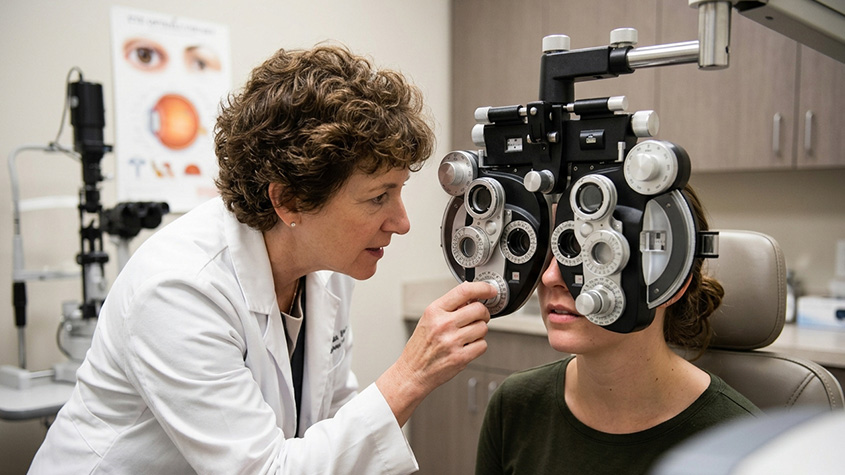
Your eyes do much more than help you see clearly. They can act like windows into your body's overall health, revealing signs of serious diseases, sometimes before you notice symptoms anywhere else. At ProVision, our team wants to help you understand how eye care can serve as a powerful tool for your overall health.
Your eye doctor can identify signs of over a dozen serious health conditions during a routine eye exam, including diabetes, high blood pressure, heart disease, and even brain tumors. This makes eye care an important part of your wellness routine.
Why Your Eyes Reveal More Than Just Vision Problems
Your eyes are the only place in your body where blood vessels can be seen directly without surgery. The back of your eye (the retina) also shows nerve tissue that connects straight to your brain.
These unique features help your eye doctor spot changes that can signal health problems throughout your body. Sometimes, diseases show up in your eyes before you feel sick or notice other symptoms. Imaging techniques help our team see detailed cross-sections of your retina, which can reveal early signs of disease.
Serious Health Conditions Your Eye Doctor Can Spot
Heart and Blood Vessel Problems
Your eye doctor can see tiny blood vessels in your retina (the back of your eye) that mirror what happens in your heart and other organs. When these vessels show damage or unusual patterns, it can mean trouble elsewhere. Retinal imaging can provide detailed photographs that can reveal early signs of:
High blood pressure
Heart disease
High cholesterol
Diabetes and Blood Sugar Issues
High blood sugar damages the delicate blood vessels in your eyes in very specific ways, which is why your eye doctor can sometimes spot early signs of diabetes before your regular doctor does. Diabetes-related eye changes appear early in the disease, making regular eye exams crucial for early detection.
Autoimmune and Inflammatory Diseases
When your immune system attacks healthy tissue, which is what is happening in several autoimmune diseases, your eyes can sometimes show signs of inflammation. This may point to specific conditions, like:
Lupus
Thyroid disease
Neurological Conditions
Your optic nerve connects directly to your brain, so certain brain problems can affect your vision first. Changes in how your pupils react or how your eyes move can sometimes reveal signs that may be associated with neurological conditions, such as:
Brain tumors
Indicators of stroke
Common Eye Diseases Found During Exams
Glaucoma
Sometimes called the "silent thief" of sight, glaucoma is an eye disease that damages your optic nerve, but it often doesn’t cause any pain or vision loss at first. By the time you notice problems, you may have already lost significant sight. Understanding glaucoma helps emphasize why early detection is so important.
Your eye doctor can detect glaucoma early by checking your eye pressure and examining your optic nerve during routine visits. Tonometry testing measures intraocular pressure (the pressure inside your eye) to identify the signs often associated with glaucoma.
Cataracts
Cataracts cloud the lens inside your eye, making everything look blurry or dim, and they usually develop slowly over many years. Early detection means that your eye doctor can track changes and help you manage the condition.
Macular Degeneration
Age-related macular degeneration (AMD) damages the center of your retina, making it hard to read, drive, or recognize faces. It mainly affects people over 50.
Catching macular degeneration early can help manage its progress more effectively and preserve more of your central vision.
How Your Optometrist Can Detect These Conditions
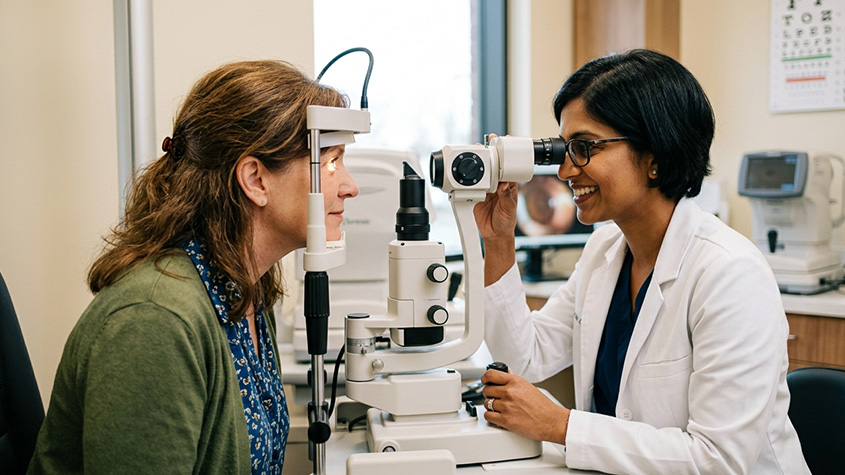
What Happens During a Comprehensive Eye Exam
A thorough eye exam involves much more than reading letters on a chart. Your eye doctor can use special tools and techniques to look inside your eyes and check for signs of disease. It can include multiple tests and evaluations to help give you a complete picture of your eye health.
Why Spotting the Early Signs Can Make a Difference
Many eye diseases and health conditions respond much better to treatment or management when caught early. Some types of damage can't be reversed once they progress too far. The good news is that there are often management options to help you keep as much of your independence as possible.
When to Schedule Your Next Eye Exam
Regular Exam Schedule by Age
Your risk for eye diseases and health problems increases as you get older, which is why regular eye exams become more important with each passing year.
Your eye doctor might recommend a personalized schedule for your needs, but most healthy people can follow these general guidelines:
Adults aged 19–64 should have an eye exam every 1–2 years.
Adults 65 and older should get an annual eye exam.
High-risk patients with pre-existing conditions affecting their health should have an eye exam yearly or as recommended by their eye doctor.
Warning Signs That Need Immediate Attention
Some symptoms mean you should see your eye doctor right away, even if your last exam wasn’t that long ago. These signs can indicate serious problems that need quick treatment. Eye emergency situations require prompt professional attention to prevent permanent vision loss.
It’s a good idea to seek eye care right away if you experience:
Worsening eye pain or persistent redness
Sudden vision changes, like a curtain fell across your vision
New floaters or flashes of light
Halos around lights
Book Your Family’s Next Appointment
At ProVision, we aim to make comprehensive eye care simple and convenient for families throughout the Los Angeles area. Schedule your family's eye exams today to protect both your vision and your overall health



© 2026 ProVision. All rights Reserved. Accessibility Statement - Privacy Policy
Powered by:
