




Why Does My Eye Hurt When I Blink?

Eye pain when you blink can make simple daily activities uncomfortable. Whether you're reading to your children or working on your computer, that sharp or burning sensation makes every blink a reminder that something's wrong. At ProVision, we understand how disruptive this discomfort can be, and our team wants you to understand when to seek professional treatment.
Eye pain during blinking typically results from dry eye, infections, irritants, or minor injuries to your eye's surface. The good news is that many causes can be managed at home, but if the pain persists, worsens, or is accompanied by vision changes, it’s a good idea to schedule an eye exam.
Common Causes of Eye Pain When You Blink
Dry Eye Disease
Your eyes need a steady film of quality tears to stay comfortable and healthy. When your tear production decreases or your tears evaporate too quickly, each blink can feel gritty or burning. Dry eye is a common condition that affects millions of people and can impact daily activities.
This condition can become more common as you age and may be affected by extended screen time. You might notice the discomfort worsens throughout the day, especially in air-conditioned environments. Following the 20-20-20 rule can help reduce digital eye strain that contributes to dry eye.
Eye Infections
Bacterial or viral infections can make blinking painful and uncomfortable. Conjunctivitis (commonly called pink eye) causes redness and discharge that can make your eyelids stick together.
Styes and chalazions can create bumps on your eyelid: Styes are often tender, while chalazions may feel less painful but still cause discomfort when blinking. These small, pimple-like issues often come with swelling and can make your eye feel heavy or sore.
Foreign Objects and Irritants
Small particles like dust, loose eyelashes, or contact lens debris can scratch your eye's surface. Even tiny specks cause a painful sensation that worsens every time you blink.
Chemical irritants from makeup, cleaning products, or air pollution can also trigger pain. Your eye may try to flush out these irritants, leading to excessive tearing and discomfort.
What Your Eye Pain Might Feel Like
Sharp or Stabbing Pain
This intense pain is often associated with a scratch on your cornea (the clear, outer layer of your eye) or certain infections. The pain often comes with light sensitivity, making you want to keep your eyes closed.
Burning or Stinging Sensation
This type of discomfort commonly points to dry eye or allergic reactions. You might feel like you have soap in your eyes or notice increased tearing as your body tries to soothe the irritation.
Dull Ache Around Your Eye
A persistent ache often relates to sinus pressure or eye strain from prolonged focus. This pain might extend to your forehead or temple area and worsen when you move your eyes.
Simple Relief Methods You Can Try at Home
Gentle Eye Care
Start by washing your hands thoroughly before touching your eye area. Apply a warm, damp cloth to your closed eyelid for 10–15 minutes to help soothe irritation. Warm compresses are particularly effective for treating dry eye symptoms by helping to unblock clogged oil glands.
Over-the-counter artificial tears can provide some relief for dry eye. Try to choose preservative-free drops and use them as often as needed throughout the day.
Remove Potential Irritants
Take out your contact lenses when you can and give your eyes a break. If you suspect a foreign object, gently flush your eye with clean water or saline solution. Understanding proper contact lens care can help prevent future irritation.
Avoid wearing eye makeup until the pain resolves completely. Old or contaminated makeup can worsen infections or cause additional irritation.
Eye pain when you blink can make simple daily activities uncomfortable. Whether you're reading to your children or working on your computer, that sharp or burning sensation makes every blink a reminder that something's wrong. At ProVision, we understand how disruptive this discomfort can be, and our team wants you to understand when to seek professional treatment.
Eye pain during blinking typically results from dry eye, infections, irritants, or minor injuries to your eye's surface. The good news is that many causes can be managed at home, but if the pain persists, worsens, or is accompanied by vision changes, it’s a good idea to schedule an eye exam.
Common Causes of Eye Pain When You Blink
Dry Eye Disease
Your eyes need a steady film of quality tears to stay comfortable and healthy. When your tear production decreases or your tears evaporate too quickly, each blink can feel gritty or burning. Dry eye is a common condition that affects millions of people and can impact daily activities.
This condition can become more common as you age and may be affected by extended screen time. You might notice the discomfort worsens throughout the day, especially in air-conditioned environments. Following the 20-20-20 rule can help reduce digital eye strain that contributes to dry eye.
Eye Infections
Bacterial or viral infections can make blinking painful and uncomfortable. Conjunctivitis (commonly called pink eye) causes redness and discharge that can make your eyelids stick together.
Styes and chalazions can create bumps on your eyelid: Styes are often tender, while chalazions may feel less painful but still cause discomfort when blinking. These small, pimple-like issues often come with swelling and can make your eye feel heavy or sore.
Foreign Objects and Irritants
Small particles like dust, loose eyelashes, or contact lens debris can scratch your eye's surface. Even tiny specks cause a painful sensation that worsens every time you blink.
Chemical irritants from makeup, cleaning products, or air pollution can also trigger pain. Your eye may try to flush out these irritants, leading to excessive tearing and discomfort.
What Your Eye Pain Might Feel Like
Sharp or Stabbing Pain
This intense pain is often associated with a scratch on your cornea (the clear, outer layer of your eye) or certain infections. The pain often comes with light sensitivity, making you want to keep your eyes closed.
Burning or Stinging Sensation
This type of discomfort commonly points to dry eye or allergic reactions. You might feel like you have soap in your eyes or notice increased tearing as your body tries to soothe the irritation.
Dull Ache Around Your Eye
A persistent ache often relates to sinus pressure or eye strain from prolonged focus. This pain might extend to your forehead or temple area and worsen when you move your eyes.
Simple Relief Methods You Can Try at Home
Gentle Eye Care
Start by washing your hands thoroughly before touching your eye area. Apply a warm, damp cloth to your closed eyelid for 10–15 minutes to help soothe irritation. Warm compresses are particularly effective for treating dry eye symptoms by helping to unblock clogged oil glands.
Over-the-counter artificial tears can provide some relief for dry eye. Try to choose preservative-free drops and use them as often as needed throughout the day.
Remove Potential Irritants
Take out your contact lenses when you can and give your eyes a break. If you suspect a foreign object, gently flush your eye with clean water or saline solution. Understanding proper contact lens care can help prevent future irritation.
Avoid wearing eye makeup until the pain resolves completely. Old or contaminated makeup can worsen infections or cause additional irritation.
When Eye Pain Becomes Serious
Red Flag Symptoms That Need Immediate Attention
Some symptoms require prompt medical care and shouldn't be ignored. Sudden vision changes, severe light sensitivity, or intense pain that doesn't improve with home care need professional evaluation.
Watch for discharge accompanied by fever, halos around lights, or new flashes and floaters. These signs can indicate serious conditions that need immediate treatment to protect your vision.
How an Optometrist Can Help
Professional Eye Examination
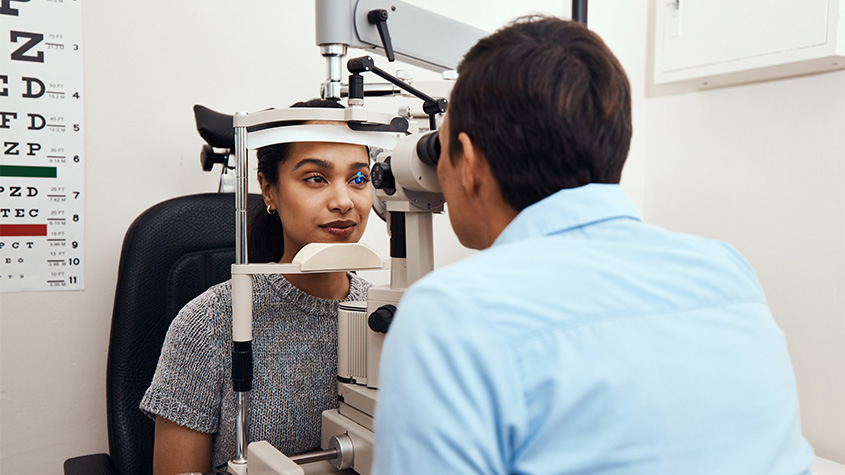
Your eye doctor has specialized equipment to thoroughly examine your eyes and identify potential causes of your pain. They can spot problems that aren't visible to you or your family members.
A comprehensive exam can include checking your tear production, examining your cornea for damage, and looking for signs of infection or other conditions.
Treatment Options Available
Depending on your diagnosis, your optometrist in Los Angeles can prescribe medicated eye drops for infections or specialized treatments for chronic dry eye. They can also safely remove foreign objects that you can't get out yourself.
For complex cases, your eye doctor can coordinate with other professionals to make sure you receive the most appropriate care for your specific situation.
Schedule Your Eye Exam
If you're experiencing persistent eye pain or any concerning symptoms, our team at ProVision is here to help. We have 7 locations across California, making it more convenient than ever to get the quality care you need. Schedule your eye exam and get the personalized care your family deserves for healthy, comfortable vision.



© 2026 ProVision. All rights Reserved. Accessibility Statement - Privacy Policy
Powered by:
