


Blog list
ProVision Blog
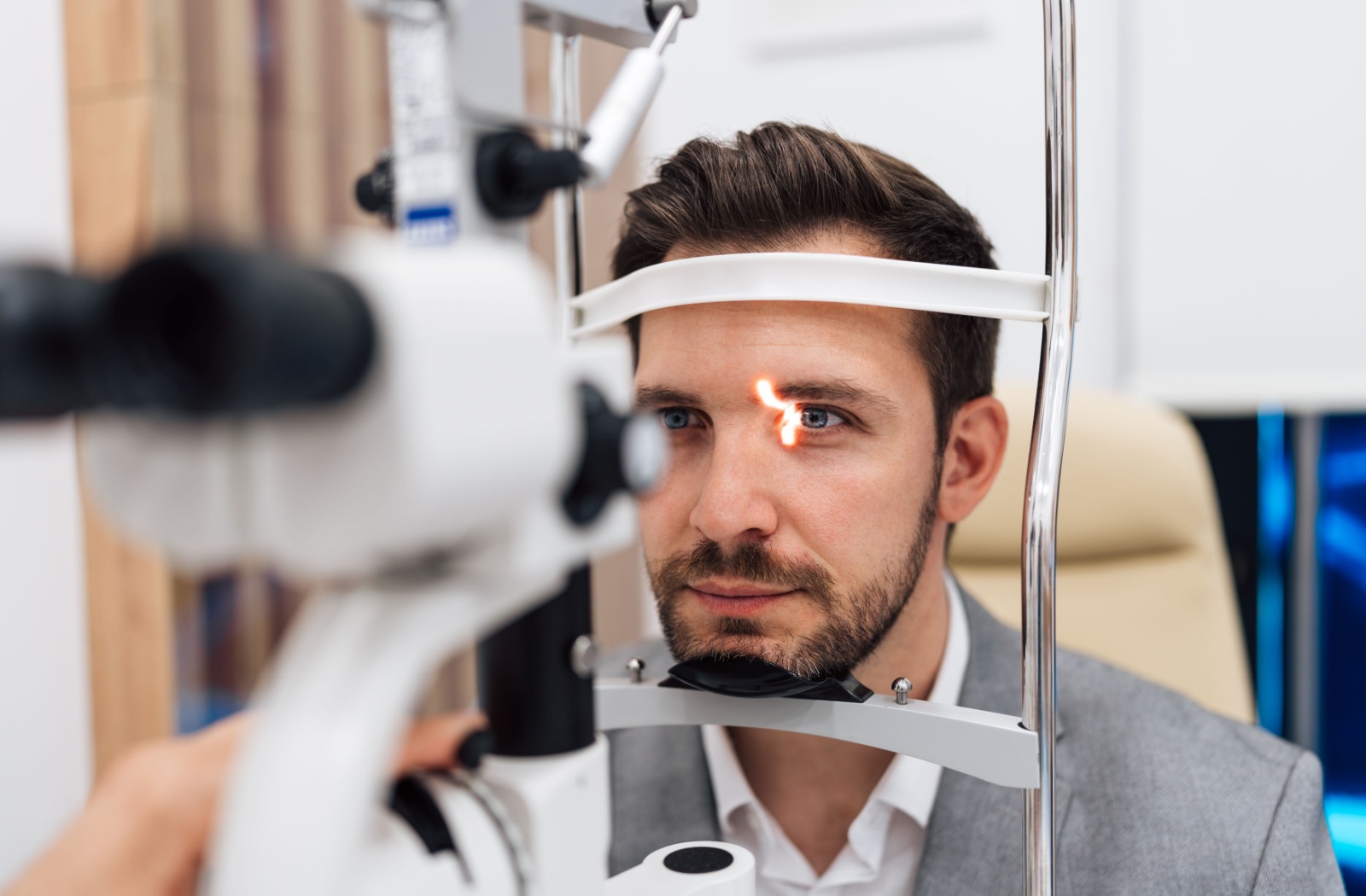
Many people assume their eyeglasses and contact lens prescriptions are interchangeable, but that’s not the case. While both types of prescriptions aim to correct your vision, they’re written differently due to how each lens sits on your eye. Glasses rest slightly away from your eyes, while contact lenses are placed directly on the surface of the eye. This difference in distance, called vertex distance, can significantly affect the lens power needed; especially for stronger prescriptions.
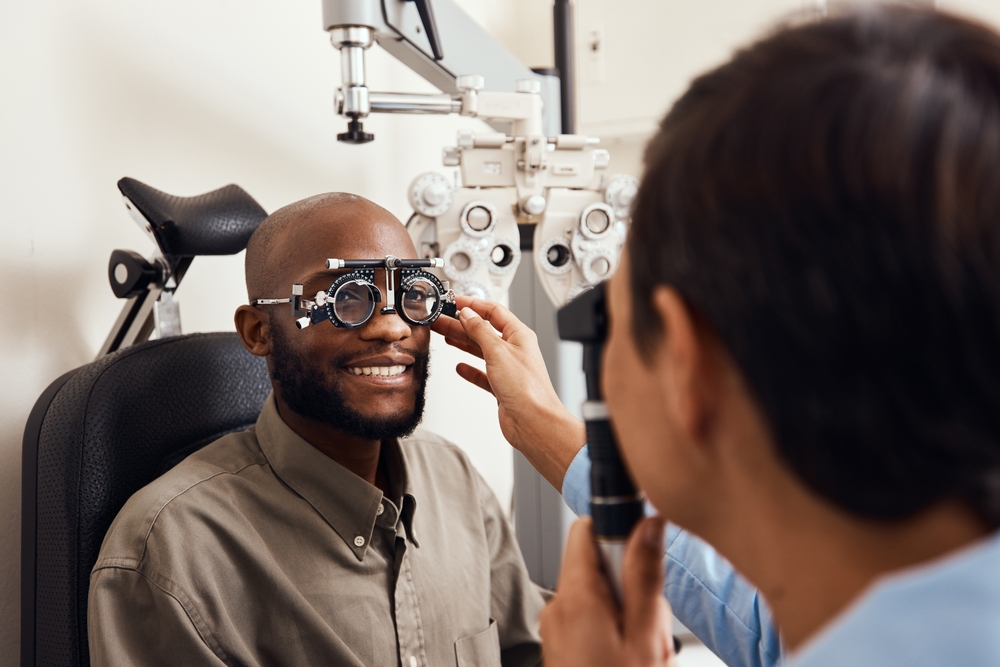
When was your last eye exam? If it's been over a year, you might be missing more than just an update to your glasses or contact lens prescription. At ProVision, we encourage patients to think of annual eye exams as an essential part of preventive healthcare. These visits give us the opportunity to assess your eye health, detect early signs of disease, and even uncover clues about your overall wellness.
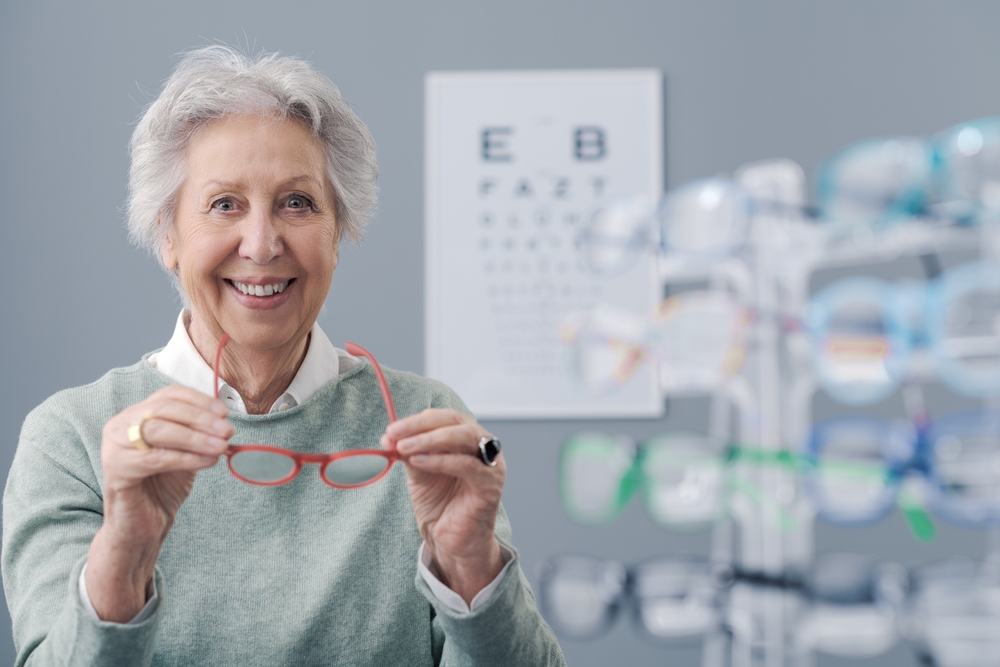
When it comes to preserving your vision, timing is everything. Many serious eye diseases develop silently, often showing no symptoms until significant damage has occurred. That’s why early intervention is critical. By identifying and treating conditions early, you can often slow or even stop their progression, protecting your eyesight for the long term.

Routine and diabetic eye exams use diagnostic imaging tools to help detect early signs of diabetes and any related vision concerns. Learn more with ProVision.

At ProVision, we believe early detection is key when it comes to preserving your long-term eye health. One of the most advanced tools we use during our comprehensive eye exams is the Optomap, a leading retinal imaging system that helps us identify signs of eye disease long before symptoms appear.

Eye dilation is a routine procedure that allows your eye doctor to take a close look at your retina and other parts of your eye. While it’s a vital part of many eye exams, eye dilation can leave your eyes more sensitive to light and your vision blurry. These symptoms can last up to a few hours after your eye exam.

Diabetes is a chronic condition that affects millions of people worldwide, impacting various parts of the body - including your eyes. At ProVision, we believe that patient education is a critical part of proactive eye care. If you have diabetes or are at risk, it’s important to understand how this condition can affect your vision and why routine eye exams are essential for protecting your long-term eye health.

Do contact lenses expire? Using expired lenses can lead to discomfort, infections, & blurry vision. Learn why contacts have an expiration date with ProVision.

It’s easy to assume that if you can see clearly, your eyes must be healthy. After all, if nothing feels wrong, why take the time for an eye exam? But the truth is, your vision is only part of the story when it comes to eye health. Many eye conditions develop silently, showing no symptoms until they’ve already caused damage. That’s why regular eye exams are essential—even if everything seems fine.

Your eyes are one of your most valuable assets, allowing you to navigate the world and experience life’s moments with clarity. However, vision health is not something to take for granted—it requires ongoing care and attention at every stage of life. From early childhood to your senior years, your eyes face different challenges and risks. By understanding these changes and prioritizing regular eye exams, you can take proactive steps to protect your vision for a lifetime.


© 2026 ProVision. All rights Reserved. Accessibility Statement - Privacy Policy
Powered by:
